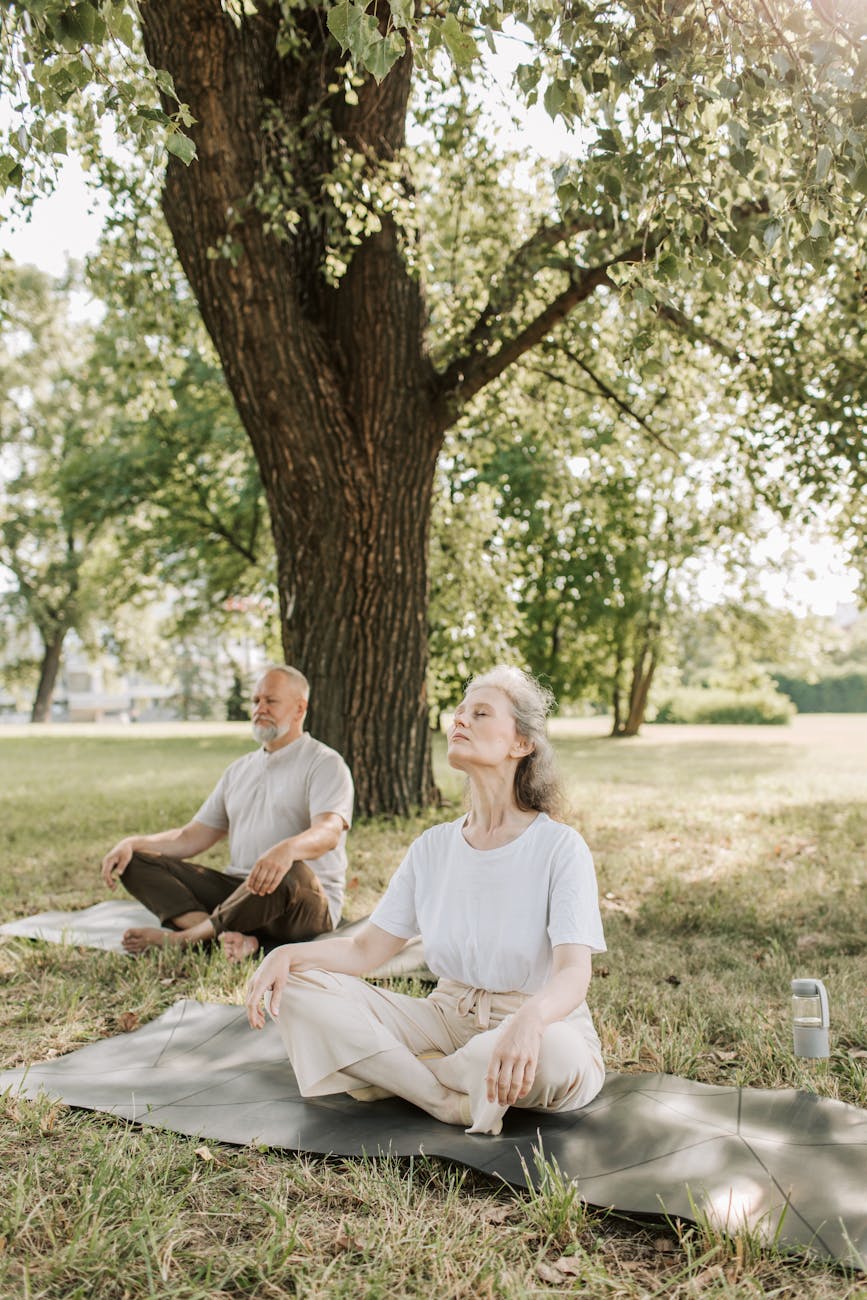
Dream big dreams about the next phase of life. Close your eyes. Clear your mind. Take a deep breath and meditate for a moment on what retirement and beyond looks like. Can you see it?
If you can’t envision what your retirement and beyond social and well-being activities will be, think about the activities you enjoy now. What makes you smile? What are your self-care activities that keep you focused on personal well-being, family, and your community? Close your eyes. Can you see them?
Within the financial planning process, don’t forget to make room for self-care. An Aging plan is a collection of documents and directives that serve as a definitive reference in the event of a medical crisis. It is the “go-to” reference for specific directions and guidance on caregiver responsibilities, financial support, living facilities, health directive choices, and other topics according to client needs. Self-care plan is about maintaining emotional and mental health as we age. Ask yourself: What activities can I build into my financial plan to ensure I remain emotionally and mentally engaged with my family, friends, and community, so that I can avoid social-isolation and loneliness?
Social isolation is when a person does not have relationships or contact with others and has little to no social support. It is an objectively observable situation. The relationships do not exist. Mental and physical challenges, discrimination, and limited or no access to socio-economic resources, physical abuse, divorce, or loss of a loved one are a few of the conditions or experiences that cause social isolation. Loneliness is different than social isolation. Loneliness is more about how a person feels, and he or she may or may not actually be socially isolated.
Loneliness involves feeling like you don’t have meaningful relationships or a sense of belonging. Loneliness can affect any people group. The Centers for Disease Control specifically notes that low-income adults, older adults, younger adults, gay and lesbian people, single adults, and immigrants are susceptible to loneliness.
The United States is dealing with population aging: the disproportionate growth of the older population in a society compared to the overall population. Fertility rates are declining, life expectancy is increasing, and the number of years we live with the morbidity and disabilities often associated with aging is generally increasing. Collectively our lifespans are longer, we are staying healthier longer, and we are living longer with health issues associated with aging. This is a global phenomenon. Let’s cheer for medical research and science in general! Census data projects the total number of people 65 and older living in the world will rise from just under 730 million in 2020 to 1.57 billion in 2050. As a result, the number of working age (20- to 64-year-old adults ) caretakers per 100 aged 65 and older adults is expected to decrease.
So, look at your family, friends, resources, aging geographic location, and anticipated needs. Whether you decide to develop a plan that includes cohabitating with the next generation in your family, aging in a 55+ community, or ultimately transitioning to a long-term care facility, integrate a self-care plan into your financial life planning. Social isolation and loneliness increase a person’s risk for heart disease, stroke, diabetes, depression, dementia, and other stress related diseases and conditions. Ultimately, these stressors reduce your life span.
Below is a list of self-care activities and resources you might consider. Your specific activities are unique to your passions, location, physical abilities, and resources. At a minimum, you have a starting point. You may decide to pursue activities you enjoyed in the past, continue to participate and grow in current activities, or have new adventure.
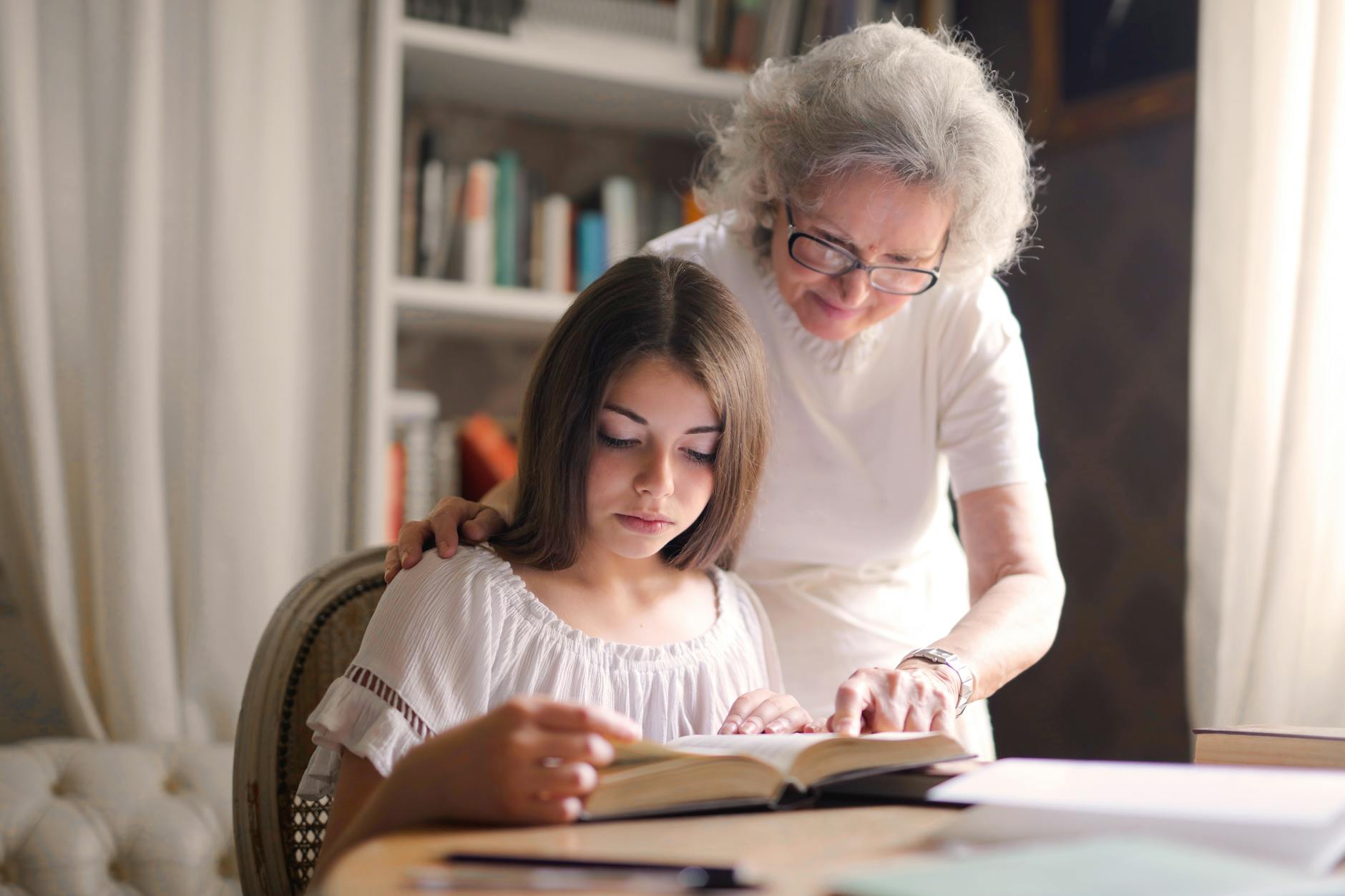
Community Involvement and volunteerism:
- Reading to students at local schools
- Volunteering as a Merit Badge counselor or GSUSA Award advisor
- Creating and teaching a course at a local community college
- Rotary club participant
- Voting day volunteer
- Substitute teaching
- Providing activity expertise at local park and recreation districts
- Helping at local food pantries
- Be a mentor for entrepreneurs
- Provide be a docent at a local museum, zoo, or other cultural center

Exercise options:
- Low impact martial arts/Tai Chi
- Gym memberships for seniors (strength and flexibility)
- Daily walking with friends (park, community track, mall, etc.)
- Joining a club sport that has a “masters and older” category.
- Yoga/seated yoga
- Pilates
- Swimming and water aerobics at the local pools (community, YMCA, Boys and Girls Club of America, etc.)
- Local Hiking/Trails
- Bicycling
- Pickleball
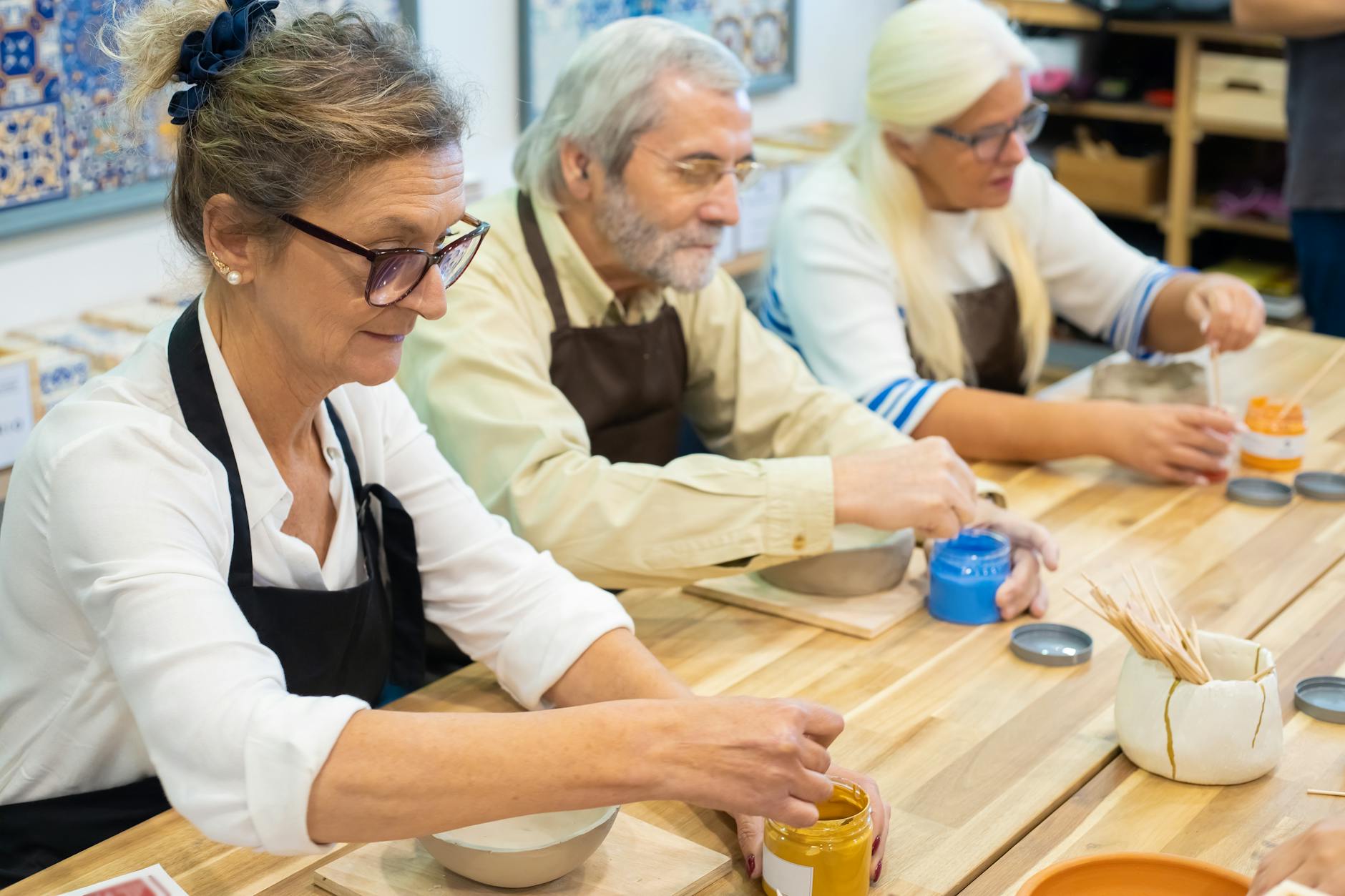
Getting out and about:
- Car camping
- Well maintained hiking trails at national parks
- Road trips with family (motor homes)
- Visiting vineyards/wine tasting, Day trips to historic towns
- Gardening (some LTC facilities have gardening rooms!)
- Plays at local universities, community colleges and high schools
- Guest speaker series at local universities
- Festivals (food, jazz/music, holiday, craft)
- Group day trips to resorts
- Community fundraising dinners/galas

Staying mentally sharp:
- Board games
- Sudoku
- Crossword puzzles
- Caring for a pet
- Educational courses at local community college (sculpture, photography, computer use and technology)
- Part-time consulting work
- Plan/organize community events
- Book reading clubs
- Engage with younger family and “kin” members
- Meditate
Resources:
- Local VA facility
- Local Library resource boards and community flyers
- Your state department of social and health services
- Medicare.gov
- Age planning consulting firms
- State sponsored long term care fund programs (may have lists of community resources)
- 55+ community activity centers (review and compare available activities and resources available during financial planning process)
- Senior focused periodicals (AARP, Prevention, etc.)
So, envision it! What else can you think of doing when you retire? Build houses? Create a donation program for women’s business clothes? Be an adoptive grandparent and mentor to the local youth center? Take a group vacay on a cruise ship with your sorority sisters or fraternity brothers? Dream big dreams and plan to have fun!
Self-care…Let’s go!
Terry

 Peace of Mind Waypoints